



Tour Highlights
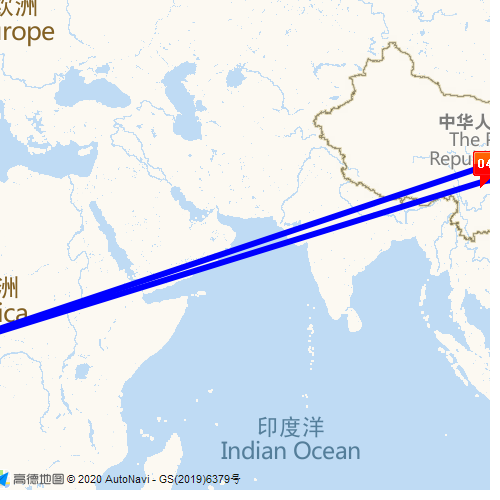
5 Iconic China Destinations: Seamlessly explore Beijing, Xi'an, Lhasa, Chengdu, and Shanghai in one grand itinerary.
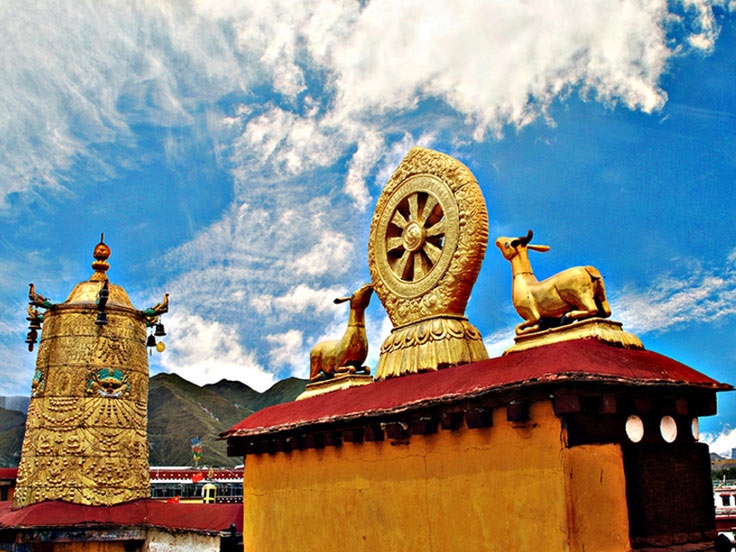
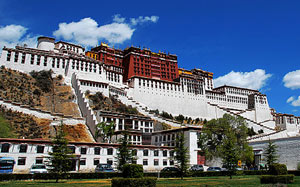
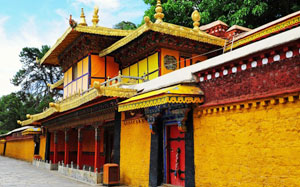
Sacred Plateau Monuments: Tour the iconic Potala Palace, revered Jokhang Temple, and historic Sera Monastery in holy Lhasa.
Giant Panda Encounters: Get up close with China's national treasure at the Chengdu Giant Panda Breeding Research Center.
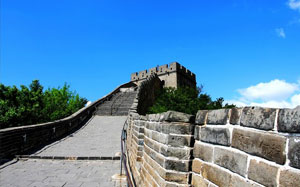
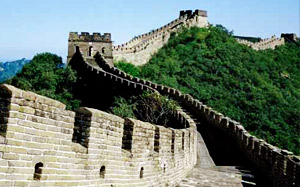
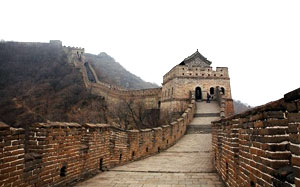
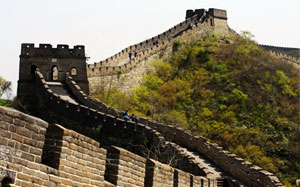
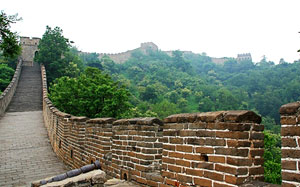
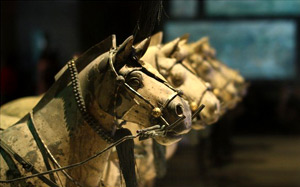
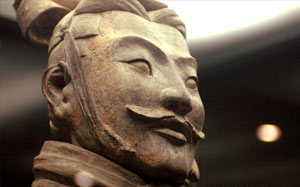
UNESCO World Heritage Icons: Walk along the ancient Great Wall, explore the imperial Forbidden City, and marvel at the Terracotta Warriors.
Full Permit Assistance: Enjoy a stress-free journey across Xizang (Tibet) with complete Travel Permit application handling and licensed private local Tibetan guide service.
Day 1 Arrival in Beijing
Day 2 Beijing | Forbidden City & Temple of Heaven
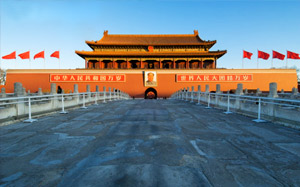
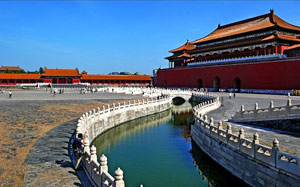
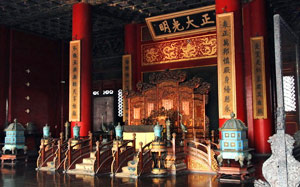
Constructed from 1406 at the very centre of Beijing, the Palace Museum is more widely known as the Forbidden City. Previously home to 24 different emperors, it is the largest palace complex in the world at approximately 720,000 square metres. Note: Closed on Mondays. In case of closure or ticket unavailability, the itinerary adjusts to Jingshan Park for a premier panoramic view overlooking the entire Forbidden City.
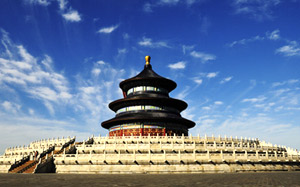
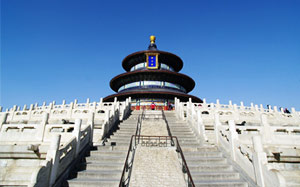
Completed in 1420, the Temple of Heaven is the largest complex of sacrificial buildings in China that still stands to this day. The temple was visited by Ming (1368-1644) and Qing (1636-1912) emperors on an annual basis to pray to the heavens for a good harvest. The subtle employment of acoustic principles used in the construction of the Echo Wall, Triple Sound Stone and Dialogue Stone reflects the advanced architectural technology in use in ancient China.
Dinner Suggestions: Iconic Peking Duck
Indulge in a signature feast at a renowned, time-honored restaurant. Savor the legendary roast duck, celebrated for its signature crispy skin, tender meat, and the subtle aroma of fruit-wood roasting.


Day 3 Beijing | Great Wall & Summer Palace
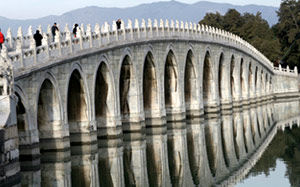
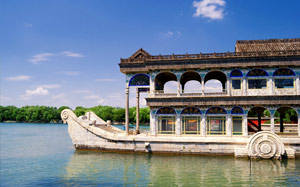
This Qing Dynasty (1636-1912) imperial palace and garden (1636-1912) is the largest and best-preserved imperial garden in China. Modelled on the West Lake in Hangzhou and borrowing design techniques and artistic ideas from the gardens of Jiangnan south of the Yangtze River, this landscaped park offers the perfect summer retreat.



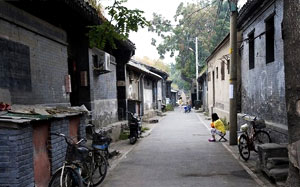
Day 4 Beijing to Xi'an by Bullet Train | Hutong Tour
Day 5 Xi'an | Terracotta Warriors & Muslim Quarter
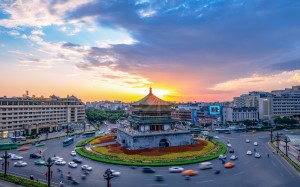
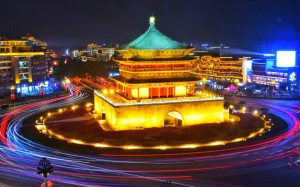
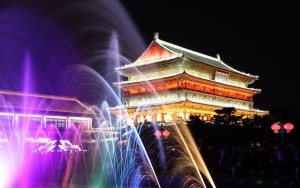
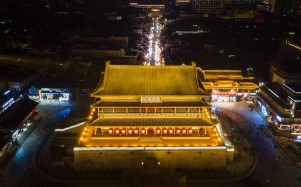
Located at the very center of ancient Xi'an, the Bell and Drum Tower Square is a grand landmark that beautifully connects China's imperial past with its vibrant modern energy. This spacious public square offers a stunning vantage point between two magnificent Ming Dynasty masterpieces: the majestic Bell Tower, which marks the geographical heart of the city, and the historic Drum Tower, which stands at the entrance to the famous Muslim Quarter. Visited by millions each year, the square provides an exceptional setting to admire traditional triple-eaved wooden architecture, which comes alive at night with a spectacular display of colorful illuminations.
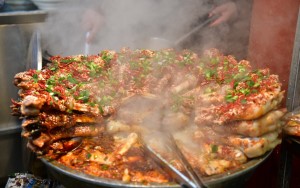
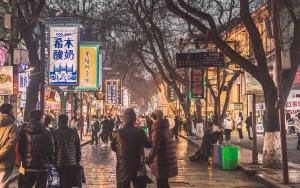
Steeped in over a millennium of history, the Muslim Quarter is a vibrant sensory feast and the heart of Xi'an's legendary food culture. As you wander through its ancient stone-paved lanes, you are greeted by an incredible array of mouth-watering delicacies and authentic Silk Road flavors. From the savory aroma of charcoal-grilled lamb skewers to the rhythmic pounding of traditional nut candy, this bustling historic enclave offers an unparalleled glimpse into the heritage and culinary soul of the city’s Hui community. It is the ultimate destination to immerse yourself in the lively atmosphere and rich, diverse tastes of old Xi'an.
Leisure Time & Optional Experiences
Evening Recommendation: Indulge in a celebrated Xi'an Dumpling Banquet, followed by an enchanting Tang Dynasty Music and Dance Show—a vibrant revival of China's golden age of art and culture.
Extended Exploration: If your schedule allows, we highly recommend a journey to Mount Hua to witness its breathtaking natural peaks.
Regional Highlights: For a deeper dive into Buddhist history, consider a bullet train excursion to Luoyang to marvel at the Longmen Grottoes, one of China’s three most renowned ancient cave complexes.


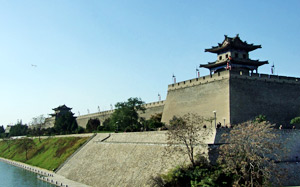
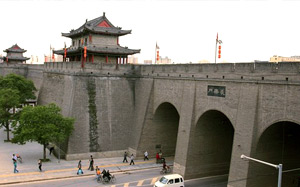
Day 6 Xi'an to Lhasa by Flight | Ancient City Wall

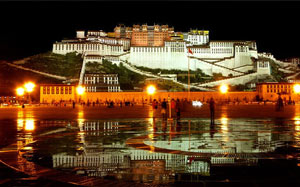
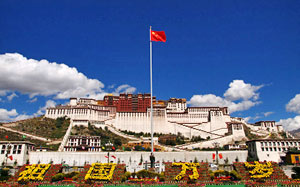
Day 7 Lhasa | Potala Palace & Sera Monastery
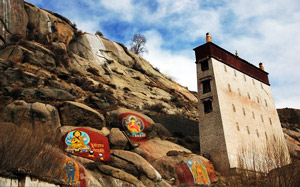
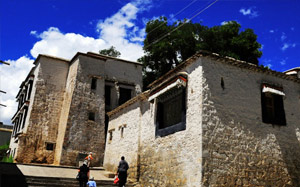
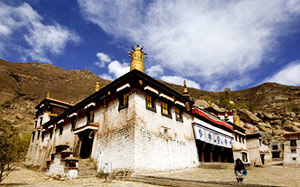
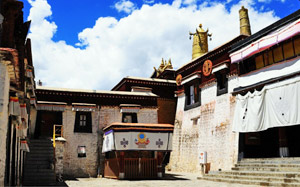
This monastery together with Drepung Monastery and Ganden Monastery are jointly known as the “great three monasteries of Lhasa”. This tranquil place has seen a succession of eminent monks and living Buddha give lectures about Buddhist scriptures ever since its completion in 1419. Sera Monastery is particularly known in the Tibetan region for its daily scripture debates, which remain one of its main draws. The monastery has developed its own distinctive style in terms of the level of occasion, code of gestures as well as intensity, and is a fascinating ritual to watch.




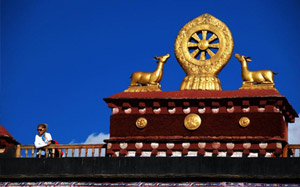
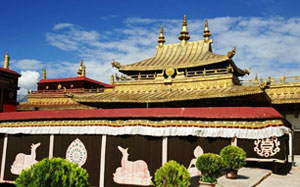
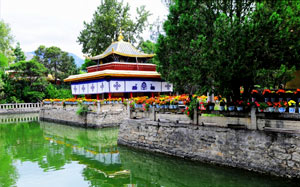
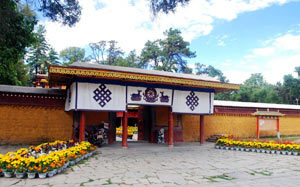
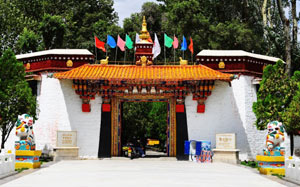
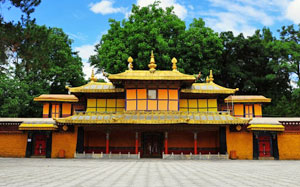
Day 8 Lhasa | Jokhang Temple, Barkhor Street & Norbulingka
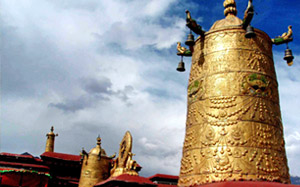
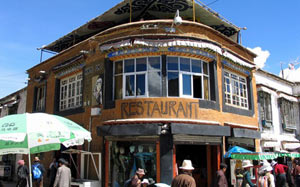
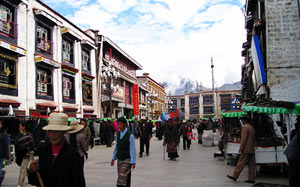
The Jokhang Temple is located in the Barkhor neighbourhood and the street around the temple is called Barkhor Street, which means “eight corner street”. Initially a normal road around the temple, it has gradually become the route by which many pilgrims circumambulate the monastery in prayer and one of Lhasa’s most important commercial streets. Lined on both sides with shops selling religious wares in various sizes as well as all kinds of daily necessities, it is a fantastic place to shop, try local snacks, and check out the variety of goods on offer.
The Norbulingkha is the summer palace of the Dalai Lama.



Day 9 Lhasa to Chengdu by Flight | Giant Pandas
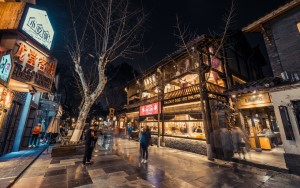
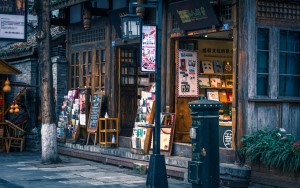
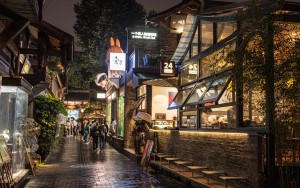
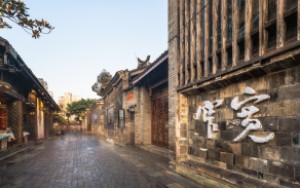
Located in the heart of Chengdu, Kuanzhai Alley is a vibrant historical and cultural district that showcases the city's unique, leisurely lifestyle. Comprising three parallel ancient alleys—Kuan Alley (Wide Alley), Zhai Alley (Narrow Alley), and Jing Alley (Well Alley)—this area features beautifully preserved courtyard architecture dating back to the Qing Dynasty. It offers a perfect blend of old Chengdu traditions and modern creative culture, where visitors can stroll through historic gray-brick lanes, experience traditional Sichuan tea houses, watch classic face-changing opera performances, and sample a wide array of authentic local street food.
Optional Experience: Sichuan Opera Face-Changing Show
Enjoy the amazing Sichuan Opera Face-Changing performance. Witness the incredible mask-changing stunts, appreciate classic Sichuan folk art and immerse yourself in authentic local culture.




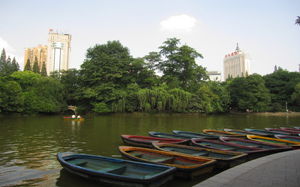
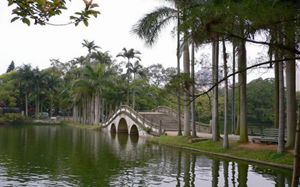
Day 10 Chengdu to Shanghai by Flight | People's Park

Day 11 Shanghai | Yu Garden & The Bund
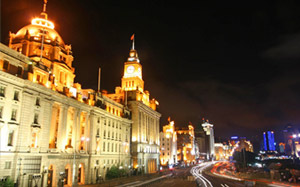
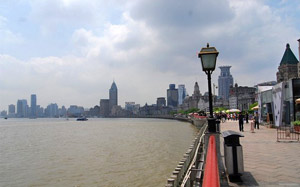
One of the city’s most recognisable landmarks and the pride of Shanghai for over one hundred years, the Bund is a mile-long stretch of waterfront promenade along the Huangpu River. On the west side of the road stand 52 buildings of various architectural styles, including Gothic, baroque, and neoclassical styles. It is often called an outdoor museum of buildings.
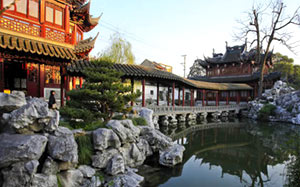
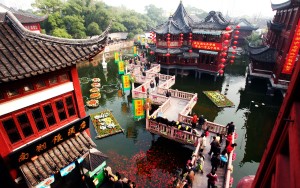
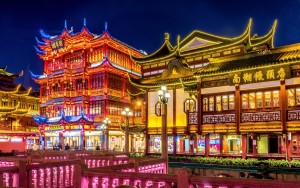
Step back in time and experience the historical heart of the city at Shanghai Old Town, where classic Jiangnan-style architecture and bustling street markets offer a fascinating contrast to the city's futuristic skyscrapers. Anchored by the 16th-century Yu Garden and the lively bazaar surrounding the City God Temple, this vibrant district allows you to wander through labyrinthine alleys lined with traditional gray-brick buildings, cross the iconic Nine-Turn Bridge, and sample world-famous local delicacies like Xiaolongbao (soup dumplings) at historic eateries.
Leisure Time & Optional Experiences
Huangpu River Cruise: See Shanghai’s iconic skyline from the water on a Huangpu River Cruise. Sail past the Bund’s 52 historic colonial buildings and the futuristic skyscrapers of Lujiazui, including the Shanghai Tower and Oriental Pearl Tower. Choose a day cruise for clear architectural details or a night cruise (highly recommended) to see the city illuminated in a dazzling light show.
Shanghai Tower Skywalk Experience: Soar to new heights at the Shanghai Tower, China’s tallest building at 632 meters. Ride the world’s fastest elevator (18m/s) to the 118th-floor Top of Shanghai Observatory. Enjoy 360°panoramic views of the city, including the Bund’s colonial architecture, the Oriental Pearl Tower, and the winding Huangpu River.



Xizang (Tibet) Travel Permit Guidelines & Booking Process
Essential Permit Guidelines
Mandatory Requirement: All non-Chinese passport holders require a Travel Permit in addition to a valid Chinese Visa to board flights or trains into Xizang (Tibet).
Authorized Application: Independent permit applications are not accepted; permits must be arranged through an authorized travel agency as part of a fully booked package (including licensed guide, private vehicle, and itinerary).
Application Timeline: Submit your booking and documents at least 25–30 days prior to departure to ensure smooth government processing.
Fixed Itinerary: Destinations, travel dates, and traveler details are locked onto the permit once issued and cannot be altered during travel.
4-Step Easy Booking & Permit Process
Step 1: Confirm Itinerary & Book Tour Package — Select travel dates and finalize private tour arrangements with your travel consultant.
Step 2: Submit Required Travel Documents (30 Days in Advance) — Provide clear digital copies of your passport photo page and valid China Tourist Visa (L Visa).
Step 3: Agency Applies for Travel Permit — We handle all official regional documentation, government approvals, and verification.
Step 4: Receive Your Original Permit — The original permit will be delivered to our local office in your departure city for pickup. If you have booked local land services in that city, our guide will hand the permit to you in person before your departure.
Frequently Asked Questions (FAQ)
Q: How does this tour handle altitude acclimatization before arriving in Lhasa?
A: Traveling through Beijing and Xi'an first allows you to adjust to the overall trip rhythm before flying to Lhasa (3,650m). Upon arrival on Day 6, no strenuous activities are scheduled so you can rest and acclimatize comfortably.
Q: How far in advance do I need to book to get the Travel Permit for Xizang (Tibet)?
A: Please confirm your booking and submit digital copies of your passport and Chinese visa at least 25 to 30 days prior to your arrival date.
Q: When is the best time to see active Giant Pandas in Chengdu?
A: Giant Pandas are most active during morning feeding hours. The itinerary schedules your visit to the Giant Panda Breeding Research Center in the morning for optimal viewing and photography.
Q: How do I receive my physical permit before flying from Xi'an to Lhasa?
A: Since you will have local private tour services arranged with us in Xi'an, your local Xi'an guide will deliver the original physical permit directly into your hands before you board your flight to Lhasa.
-- Private tour guide
-- Private air-conditioned coach
-- Land transfers between airport or railway station and hotel
-- Entrance tickets as listed
-- Chinese lunch as listed
-- Centrally located hotels with breakfast
-- Domestic flights with taxes and train ticket (2nd class seat) as listed
-- Tibet Travel Permit
-- Service charge & government taxes
-- International flights with taxes
-- Personal expenses such as laundry, drinks, phone bills, optional activities
-- Tips for guides and drivers
-- China Visa
-- Travel insurance