
For centuries, Mount Huangshan (Yellow Mountain) has captured the imagination of poets, painters, and modern explorers alike. Recognized as a UNESCO World Heritage site, this legendary mountain is famous for its five wonders: twisted Guest-Greeting Pines, bizarre rock formations, breathtaking seas of clouds, soothing hot springs, and winter snow.
During the mid-summer months, Mount Huangshan transforms into one of China’s premier high-altitude sanctuaries. While lowlands experience standard summer weather, the mist-enshrouded summits of Huangshan enjoy a blissfully cool average temperature of around 20℃, making it a perfect retreat for both nature lovers and culture enthusiasts. Here is the ultimate guide to discovering the diverse wonders of Huangshan this season.
The Cool Peaks and Iconic Sights of Mount Huangshan
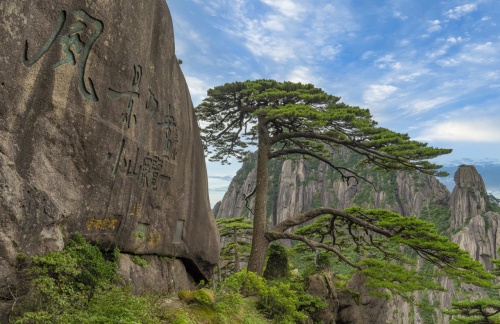
Standing atop the granite peaks of Huangshan in July feels like stepping into a living Chinese ink painting. The high altitude and dense vegetation create a refreshing alpine microclimate where cool breezes blow constantly.
Venture to the Shixin Peak to witness the famous Guest-Greeting Pine (Yingke Pine), a resilient ancient tree growing directly out of the sheer cliff face, symbolizing hospitality for over a thousand years. Nearby, iconic vantage points like the Flying-over Rock and Bright Summit offer front-row seats to the spectacular summer sunrises and sunsents, where the sun emerges from a vast, rolling sea of mountain mists.
Explorer’s Tip: If you want a complete, comprehensive experience of this majestic peak alongside China’s capital and modern marvels, a grand panoramic journey is highly recommended. You can experience the ultimate connection on our China Classic with Mount Huangshan Exploration.
The Living History of Hongcun and Huizhou Culture
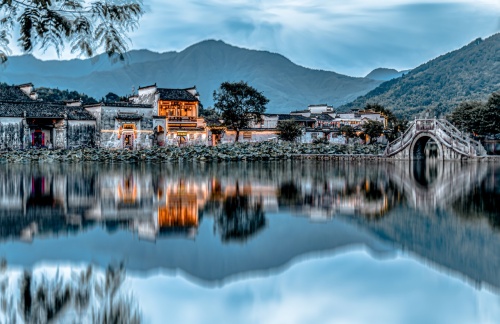
Mount Huangshan is not just a natural wonder; it is surrounded by a deeply rooted cultural sanctuary. At the base of the mountains lies the region formerly known as Huizhou, home to incredibly preserved ancient villages like Hongcun and Xidi.
Hongcun is famous for its unique, ancient water-system shaped like an ox, and its striking white-walled, black-tiled merchant mansions. Walking along the Moon Pond feels instantly familiar to international movie lovers, as it served as the iconic filming location for the Oscar-winning martial arts masterpiece Crouching Tiger, Hidden Dragon. It is an absolute paradise for history buffs looking to experience rural Chinese heritage.
Explorer’s Tip: For travelers deeply interested in ancient architecture, local folklore, and wandering through cinematic history, pairing the mountain with these UNESCO-listed villages is a must. Take a look at the deeply immersive Mount Huangshan & Ancient Villages Tour.
A Pilgrimage for Premium Chinese Tea Lovers
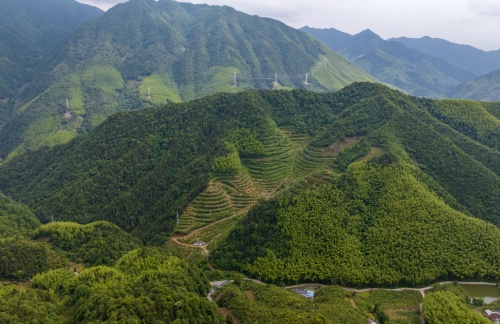
The mist-covered cliffs and rich soils of Mount Huangshan and its surrounding regions produce some of the most celebrated teas in the world. The cool summer climate is perfect for visiting local plantations to taste Huangshan Maofeng, a world-renowned green tea prized for its delicate, orchid-like aroma and refreshing sweetness.
For true tea aficionados, extending the journey further south into Fujian Province opens up another world of flavor. The dramatic, red-sandstone cliffs of the Wuyi Mountains are the birthplace of legendary Oolong teas (such as Da Hong Pao or Big Red Robe) and rich Lapsang Souchong black teas, offering a profound taste of China’s ancient tea-trading heritage.
Explorer’s Tip: If your dream summer holiday involves breathing crisp mountain air while sipping authentic, hand-picked harvests from historic estates, you can explore this unique geographical connection on the Mount Huangshan & Wuyi Danxia Landforms Exploration.
Immersive Tai Chi and Wellness at Mount Qiyun
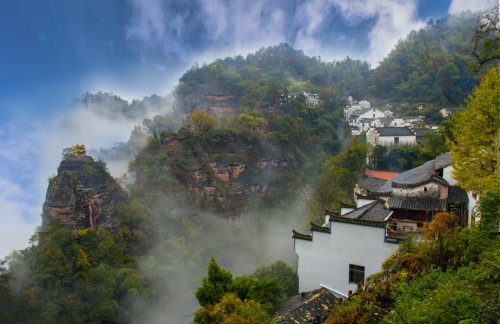
Just a short drive from Huangshan sits Mount Qiyun, one of China’s four sacred Taoist mountains. Cloud-veiled and deeply peaceful, this sanctuary has been a hub for spiritual wellness and internal martial arts for centuries.
Practicing Tai Chi on the stone pavilions of Mount Qiyun in the cool morning air allows travelers to learn the slow, fluid movements of Yin and Yang directly from local masters. It is the ultimate slow-travel experience for those looking to balance their physical energy and find inner peace away from the modern world.
Explorer’s Tip: To truly slow down and absorb the deep philosophies of Taoist wellness and movement amidst tranquil red cliffs, secure your private retreat on our specialized Mount Qiyun Tai Chi Tour.
Active Adventures: Photography, Hiking, and Biking
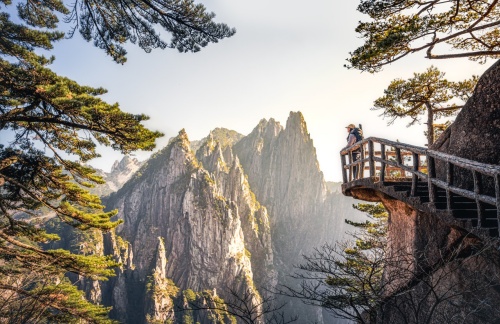
Because the summer alpine weather is so comfortable, Mount Huangshan acts as a massive playground for active travelers, catering perfectly to specific passions:
For Photography Enthusiasts: The summer sunrises over the Beginning-to-Believe Peak are legendary. The sudden changes in mountain weather create dramatic lighting conditions, where golden sunlight pierces through shifting walls of fog—a dream for capturing award-winning landscape shots. You can plan your shoot with dedicated logistical support on the Mount Huangshan Photography Tour.
For Avid Hikers: If you prefer exploring on foot, conquering the vertical stone steps of the West Sea (Xihai) Grand Canyon offers an exhilarating trek through narrow gaps and hanging pathways. Challenge yourself on the rugged trails with the Mount Huangshan Hiking Tour.
For Cycling Lovers: The pastoral valleys surrounding the ancient Huizhou villages feature flat, scenic countryside roads lined with bamboo groves and traditional farms, ideal for two-wheeled exploration. Pedal through local heritage on the Mount Huangshan Biking Tour.
Mount Huangshan Summer Travel: Frequently Asked Questions
Q1: How accessible is the mountain summit for seniors or families traveling with children?
A: Mount Huangshan is incredibly modern and accommodating for all fitness levels. A network of state-of-the-art cable cars (such as the Yungu and Yuping cable lines) whisks travelers from the park gates to the upper stations in minutes, bypassing the most grueling vertical climbs. Once on top, the main paths connecting the major hotels are well-paved stone walkways. While there are still steps and gentle inclines, standard sightseeing requires only moderate walking endurance.
Q2: What should I pack for a summer trek on the mountain?
A: Layering is the golden rule. While standard summer sportswear is perfect for hiking during the sunny afternoons, temperatures on the summits can drop significantly during the night and early morning. If you plan to wake up early to catch the famous sunrise, a lightweight fleece jacket, windbreaker, or sweater is an absolute necessity. Additionally, comfortable sturdily-soled hiking shoes and a lightweight raincoat are highly recommended due to sudden alpine showers.
Q3: Summer is the peak holiday season. How can we ensure a seamless experience?
A: July and August see high demands for mountaintop accommodations and cable car tickets. The absolute best way to ensure a smooth trip is to avoid large tourist groups and utilize professional travel planners. CITS private tours provide pre-booked boutique mountain hotels, priority ticketing channels, and expert local English-speaking guides who know the exact timing tricks to visit the iconic peaks before the crowds arrive.